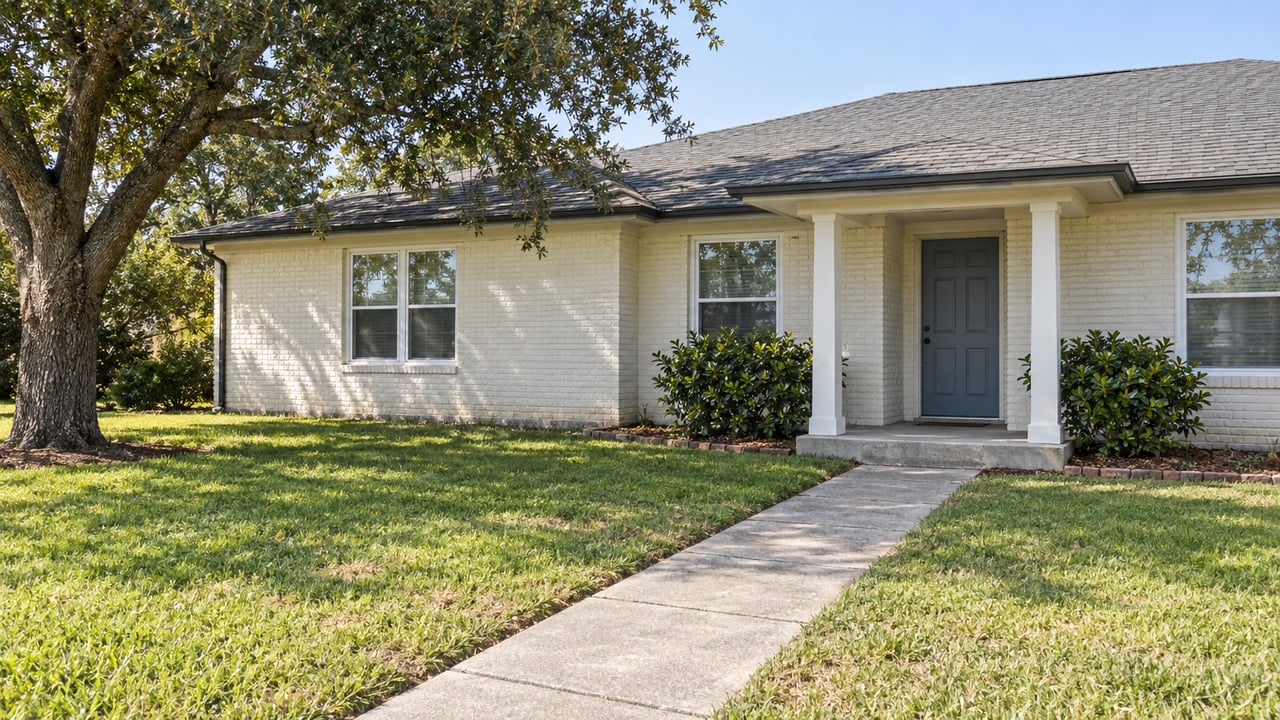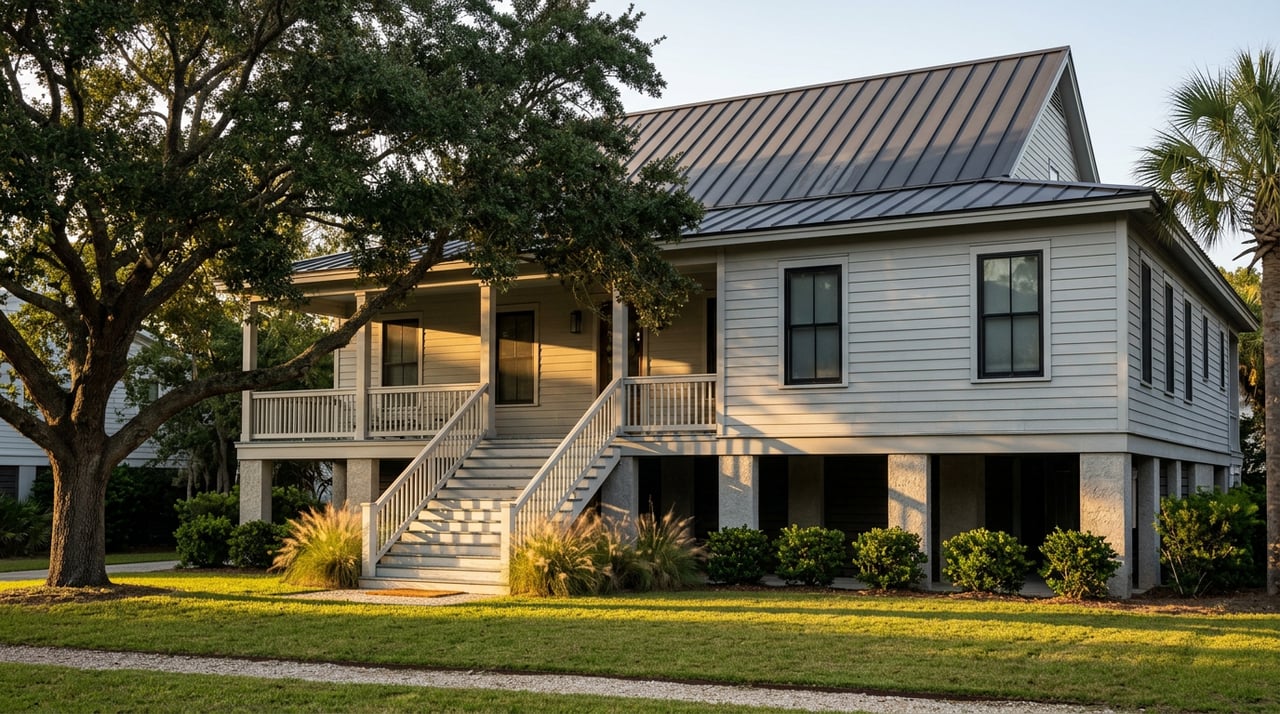
Pull two listings in Gulfport side by side this week. One is a three-bedroom house a few blocks off Pass Road. The other is a two-bedroom unit at a beachfront tower on Beach Boulevard, maybe Legacy Towers or the Villas at Legacy. Ask both sellers for a copy of the insurance bill, and the condo will look like the deal of the century. Personal coverage on a Gulf Coast condo can run as little as $1,200 to $2,500 a year. The detached house down the street is looking at something closer to $3,700 to $5,800 a year for homeowners insurance alone, before wind or flood coverage even enters the conversation.
That gap is real. It is also almost entirely misleading, and understanding why matters more than the number itself if you are trying to decide between a condo and a house on this coast.
The Bill You See Isn't the Risk You're Buying
A condo owner's personal policy, called an HO-6, only has to cover what is inside the unit: floors, cabinets, personal belongings, liability. The building itself, including the roof, the exterior walls, and critically the wind and named-storm exposure, is covered by the association's master policy. That master policy is not free. It is paid for through HOA dues, spread across every owner in the building.
A house has no such buffer. The owner is the association. Every dollar of wind, hail, and structural risk sits on one policy, in one name, renewed once a year with no one else absorbing the swings.
So when a condo's insurance line looks a fraction of the size of a house's, it is not because the building faces less risk. It is because that risk has been moved to a different line item, one that does not show up on the same page of the listing.
The Three Policies Hiding Behind Every Detached Roof
Gulfport sits in Harrison County, one of six coastal counties served by the Mississippi Windstorm Underwriting Association, the state's insurer of last resort for wind and hail coverage when private carriers won't write it. A homeowner here typically ends up carrying three separate policies rather than one: standard homeowners insurance for fire, theft, and liability, a wind and hail policy through MWUA, and flood coverage through the NFIP or a private carrier, since standard homeowners policies exclude flood entirely. Layered together, that three-policy stack can push a coastal homeowner's combined annual insurance cost past $12,000.
A condo buyer never assembles that stack personally. The HOA does it on the building's behalf, folds the premium into monthly dues, and the individual owner writes one much smaller HO-6 check.
The Same Coverage, Wearing a Different Line Item
Here is where the comparison gets more useful than either number alone. Buildings like Legacy Towers and the Villas at Legacy advertise HOA dues that explicitly include building insurance from the exterior wall to the studs, along with water, sewer, trash, and grounds maintenance. Across active Gulfport condo listings, monthly HOA dues typically run from around $500 on the low end to well over $1,300 for larger, more amenity-heavy buildings, with a median close to $500 a month as of mid-2026.
Run the math and a Gulfport condo owner paying $500 a month in dues, a portion of which funds the building's wind coverage, plus $1,200 to $2,500 a year in personal HO-6 premium, is not obviously cheaper than a house once you add it all up. It is different math on a different schedule, not necessarily smaller math.
| Cost component | Detached house in Gulfport | Condo unit in a Gulfport beachfront building |
|---|---|---|
| Personal insurance premium | $3,700–$5,800/year (homeowners only) | $1,200–$2,500+/year (HO-6, interior/contents) |
| Wind and hail coverage | Separate MWUA policy, owner pays directly | Bundled into HOA master policy |
| Flood coverage | Separate NFIP or private policy, owner pays directly | Often addressed at the building/master policy level, terms vary by association |
| Where building-level risk lands | On the individual owner's renewal | Spread across all owners through HOA dues |
| Combined coastal exposure | Can exceed $12,000/year across all three policies | Depends on building age, master policy structure, and reserve funding |
The Rate Hike Lands on Two Different Clocks
Mississippi's Insurance Commissioner confirmed that MWUA windpool rates rose 16 percent effective January 1, 2026, the state's response to what officials have described as a long-term viability problem in coastal coverage. A house owner felt that increase immediately, at their next personal renewal.
A condo owner in a Gulfport tower feels the same 16 percent increase eventually, but on a different timeline. It shows up when the HOA renews its master policy, and depending on how the board handles the increase, it surfaces either as a dues adjustment or, in a worse case, as a special assessment if the association's reserves weren't built to absorb it. The risk is identical. The notice period is not.
The Number That Complicates the Simple Story
Here is the detail that should make any buyer pause before assuming coastal insurance only moves in one direction. Statewide, Mississippi's average home insurance premium actually declined by about $131 between 2025 and 2026, even as MWUA windpool rates rose on the coast. Insurance analysts point to MWUA's free FORTIFIED roof endorsement, which lets a policyholder whose roof suffers major storm damage rebuild to a hardened construction standard at no extra cost, as one likely factor pulling the statewide average down even while coastal-specific costs climbed.
The lesson for a Gulfport buyer isn't zip code versus zip code. It is construction standard versus construction standard. An older tower with an unreinforced roof and a thin reserve fund carries a very different insurance trajectory than a newer building, or an association that has already used a wind claim to rebuild to FORTIFIED standards. The same logic applies to a detached house. Two homes on the same street can carry meaningfully different premiums based on roof age and hardening alone, independent of whether either one has ever filed a claim.
What This Means If You're Actually Comparing Both
If you are deciding between a house and a condo in Gulfport, the sticker price on the insurance line is one of the least useful numbers you'll see during the search. Before making a decision, it is worth asking for a few documents most buyers never think to request:
- The HOA's master policy declarations page, specifically whether it's bare walls, walls-in, or all-in coverage
- The building's current wind and named-storm deductible, which can run from a flat dollar amount to a percentage of the dwelling's insured value
- Whether the association has completed, or is pursuing, a FORTIFIED roof designation
- The most recent reserve study, and whether the association is funding it fully or deferring
None of that changes what Gulfport homes are actually selling for right now. The trailing six-month median sold price sits at $217,900 as of early September 2026, with the middle half of sales closing between $160,000 and $315,000. Condos have carried a somewhat higher median list price, close to $245,000 as of mid-2026, reflecting the beachfront premium many buildings command. Pace looks healthy too: across the same trailing six-month window, Gulfport listings went under contract in a median of 31 days, a sign that buyers are moving with more confidence than the insurance headlines might suggest.
The insurance question isn't a reason to avoid either option. It's a reason to ask for the right document before you fall for the smaller number.
A Few Questions Worth Settling Before You Write an Offer
Does the HOA's insurance cover anything inside my unit? No. The master policy typically stops at the interior wall surface or the studs, depending on the association's policy type. Everything beyond that, your flooring, cabinets, and belongings, is your responsibility under a personal HO-6 policy.
What is a loss assessment, and do I need coverage for it? If a covered loss damages common areas and the HOA levies a special assessment to cover the gap, loss assessment coverage on your HO-6 policy pays your individual share. It's inexpensive to add and often overlooked.
Does a house's insurance situation ever get simpler than three policies? Not on this coast. Standard homeowners insurance, MWUA wind and hail coverage, and NFIP flood coverage remain three separate products for most detached homes in Harrison County, each renewed and priced independently.
If you're weighing a condo against a house anywhere from downtown Gulfport to the beachfront corridor, the insurance conversation is worth having early, not after you've fallen for a listing. Tracey Ross has walked buyers through exactly this comparison on the ground in Gulfport and can help you read a master policy or a dues statement before you're under contract, not after. Let's Connect.
This article is general information, not legal, tax or financial advice. Consult a qualified professional about your situation.