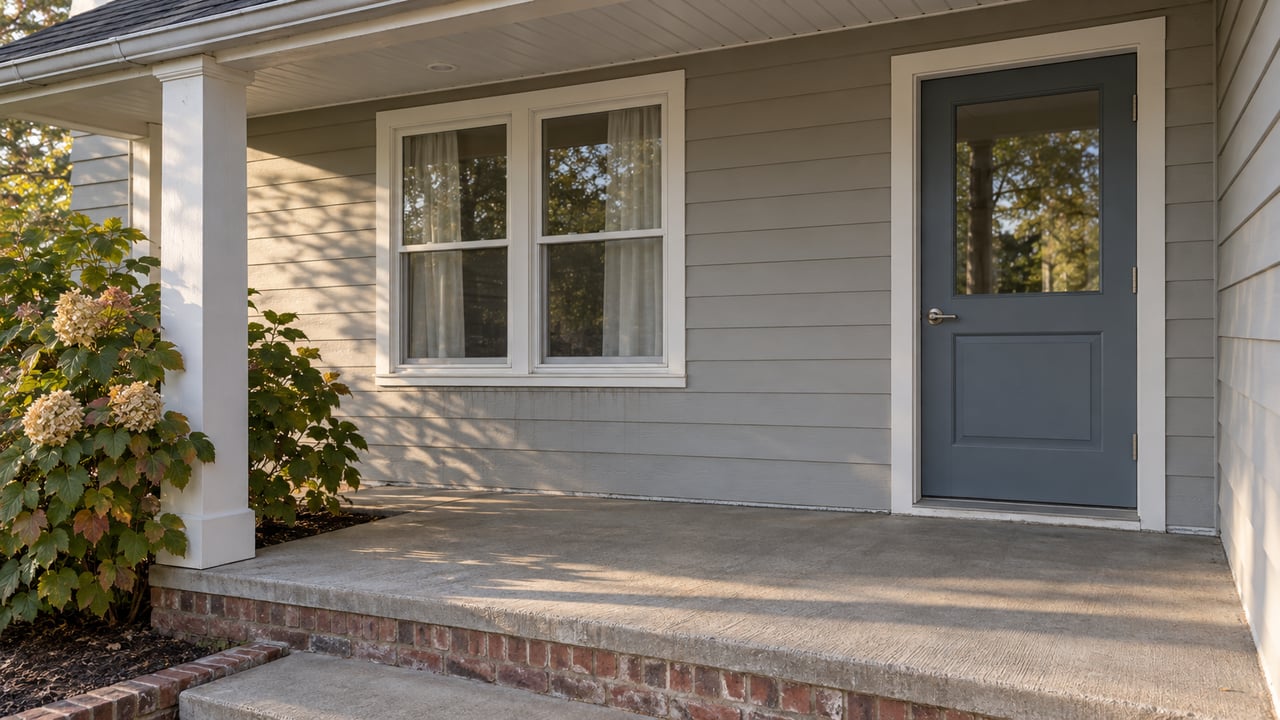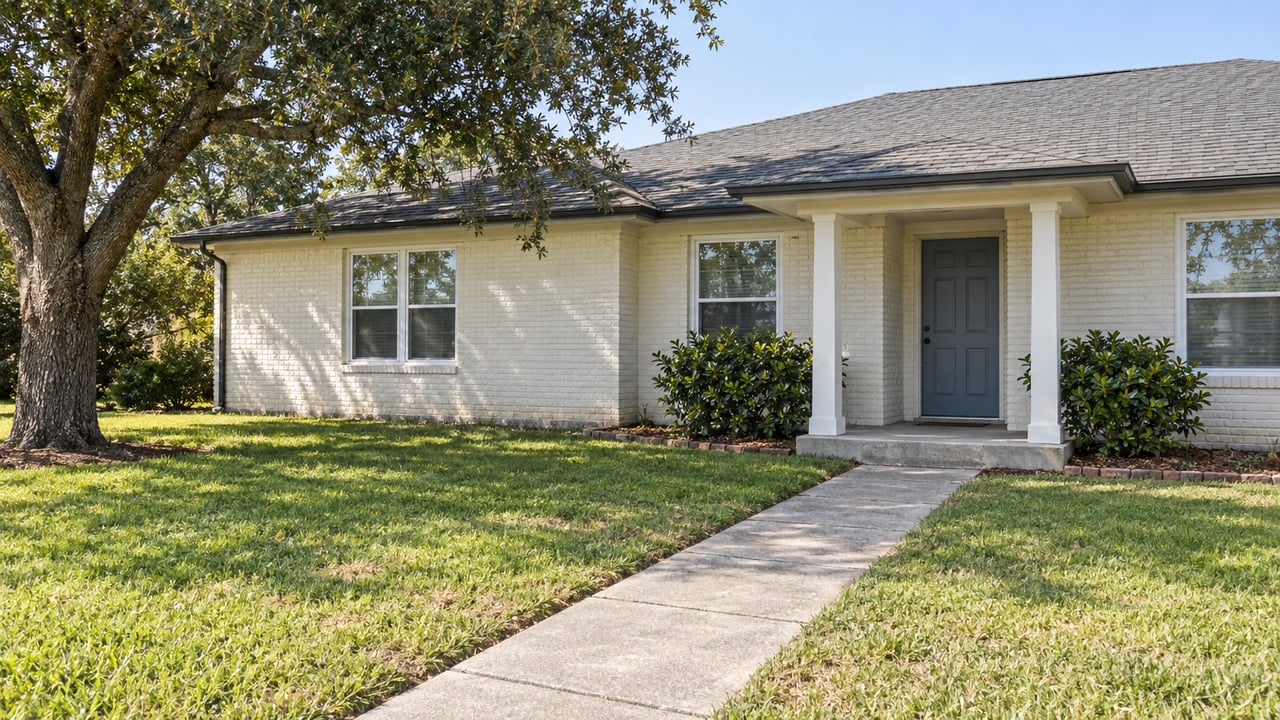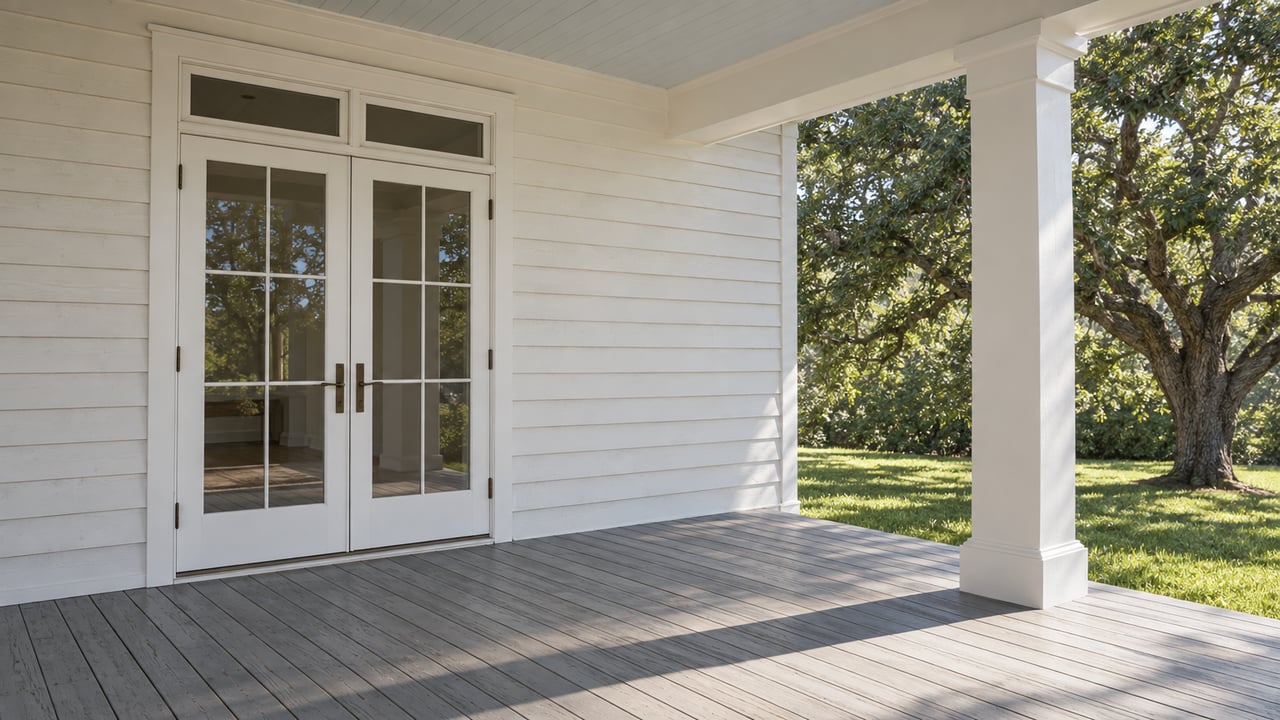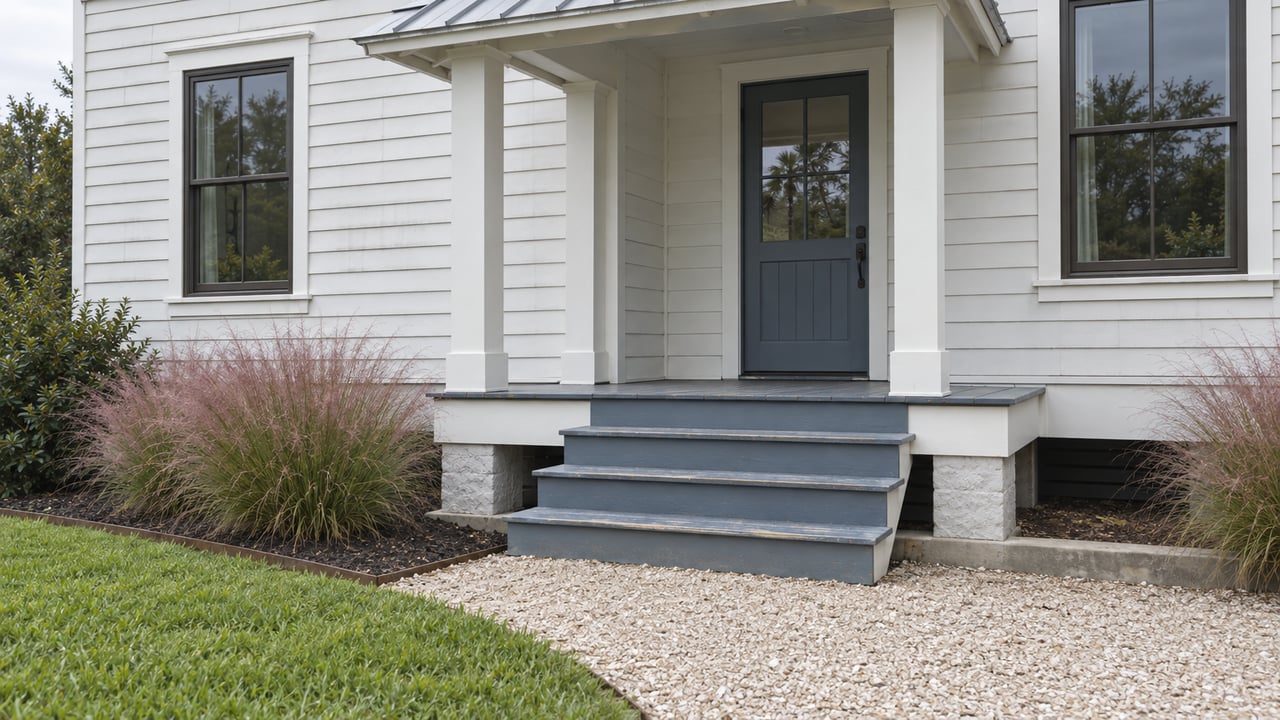
Two houses in Pass Christian can list at the same price, sit a block apart, and cost their owners thousands of dollars a year apart to insure. Nothing on the listing sheet tells you which one you're buying. The gap comes down to three things that never make it into the photo carousel: which FEMA flood zone the parcel sits in, what year the structure was built, and whether a surveyor has ever certified its elevation. Get those three answers before you write an offer, and you're pricing the house the way an underwriter will. Skip them, and you're pricing it the way a listing photo wants you to.
The Zone Is Only Half the Answer
Pass Christian's flood map splits the town into zones that most buyers have heard of in passing: X, AE, and VE. Insurance costs can swing hard depending on how far above the base flood elevation the structure actually sits. A house on Scenic Drive can carry an X zone designation and sit on high ground beneath the same oak canopy as a neighbor three doors down whose lot reads AE.
What catches buyers off guard is that the zone alone doesn't finish the story. A home built in 2008 on Woodman Avenue, elevated and sitting in an AE zone south of the railroad tracks, can still insure more affordably than an older home in the same zone. Two houses in the identical AE zone, built fourteen years apart, can carry meaningfully different premiums for the exact same flood risk on paper.
The Document Worth Asking About Before You Write an Offer
There's a single piece of paper that resolves most of this ambiguity: the elevation certificate. It's prepared by a licensed surveyor, shows the property's elevation relative to the base flood elevation, and costs between $300 and $600 to produce. Properties that sit above the BFE get the better rate. Properties below it pay more, sometimes substantially more.
According to AskDoss, the certificate is valid indefinitely unless the property gets altered, and many post-Katrina Gulf Coast homes already have one on file. That means asking the seller for it costs you nothing and can tell you, before you're under contract, whether the insurance quote you're picturing is realistic. If a seller can't produce one, that's not disqualifying, but it does mean your own insurance shopping needs to happen earlier in the process than most buyers assume, not after closing.
What It Actually Costs to Fix an Older House
If you fall for a house that isn't elevated and sits in a flood zone, the math on raising it later is worth running before you get emotionally attached. Elevating an existing structure typically costs $30,000 to $80,000. That investment can lower annual premiums by $2,000 to $4,000, which works out to a payback period of roughly eight to forty years depending on where in that range the project and the savings land.
That's not a reason to avoid an older, non-elevated house in Pass Christian. Plenty of buyers make that trade deliberately for a lower purchase price on Second Street or elsewhere close to downtown. It is a reason to treat "elevate it later" as a real line item with a real payback clock, not a vague future improvement. A house priced $40,000 below a comparable elevated property down the street isn't necessarily the better deal once you run that number against what you'd spend closing the gap yourself.
New construction doesn't get a choice in the matter. Any new build in a flood zone in Pass Christian has to go up above the base flood elevation as a condition of permitting, which is part of why new construction in flood-zone areas of the Gulf Coast increasingly sits well above grade on pilings, in some cases with elevation requirements that Thornhill Construction says have climbed to twenty feet or more in spots where a slab-on-grade home could once have been built. If you're comparing an older home to a new build at similar prices, the new build's elevation is baked in by rule. The older home's elevation is whatever the original builder decided decades ago, which is exactly why the certificate matters so much more on resale stock.
The Approval Nobody Mentions Until You're Ready to Break Ground
Pass Christian layers one more piece of due diligence on top of flood zone and elevation, and it's specific to this town in a way that doesn't apply the same way in Long Beach or Waveland. If your lot sits inside the Historic Preservation District, city code requires written approval from the Historical Preservation Commission before renovation or new construction work can begin. That doesn't take building off the table. It does mean your design timeline picks up another review step, and it's worth confirming district status before you finalize plans or close on the land, not after.
Pair that with the floodplain and transect zone maps the city maintains for screening purposes, and a buyer looking at a fixer or a teardown near Scenic Drive or downtown is really running two separate checks in parallel: is this parcel in a flood zone that dictates how high I have to build, and is it in a historic district that dictates how the exterior has to look once I do. Neither check shows up in an MLS listing. Both determine whether your renovation timeline is six months or something longer.
What This Means If You're Comparing Pass Christian to the Rest of the Coast
The wind and flood overlay isn't unique to Pass Christian. According to Permits Guide, Gulf Coast cities from Gulfport to Waveland build to design wind speeds of 130 to 150 mph, some of the highest residential wind load requirements in the country; that engineering requirement drives cost regardless of which town you land in. What makes Pass Christian a slightly different calculation than its neighbors is the added historic district layer stacked on top of the flood and wind requirements everyone on the Coast already deals with. A buyer cross-shopping a beachfront lot in Pass Christian against a similarly priced lot in Long Beach or Bay St. Louis should factor in that the Pass Christian version may carry an extra design review step the other towns won't ask for, depending on exactly where the parcel sits relative to the historic boundary.
None of this is a reason to rule the town out. Pass Christian's rebuilt Scenic Drive corridor is a case study in how elevation done right actually improves a home's insurance picture rather than just adding cost, and homes that sit above their required elevation with updated codes are proof the investment pays off over time. The point is narrower: the list price is the beginning of the conversation, not the end of it, and the three-part check on zone, build year, and elevation certificate is what separates a buyer who understands what they're actually purchasing from one who finds out at underwriting.
A Few Questions Worth Settling Early
How can I check a property's flood zone? FEMA Flood Map Service Center lets you check a specific address before you tour the house.
Can I ask for an elevation certificate before making an offer? Yes, and it costs you nothing to ask. If one exists, it's typically valid indefinitely unless the property has since been altered, and it can tell you far more about your real insurance cost than the zone designation alone.
Does the Historic Preservation District cover the whole town? No. It applies to specific parcels, and the city's Community Development page outlines the historic ordinance and application process for anyone whose lot falls inside the boundary. Confirming status before you close on land or finalize plans avoids a delay you didn't plan for.
If you're weighing a Pass Christian property against something similar elsewhere on the Coast and want a clearer read on what a specific address's zone, build year, and elevation history actually mean for your numbers, Tracey Ross can walk through it with you before you're locked into an offer.
This article is general information, not legal, tax or financial advice. Consult a qualified professional about your situation.