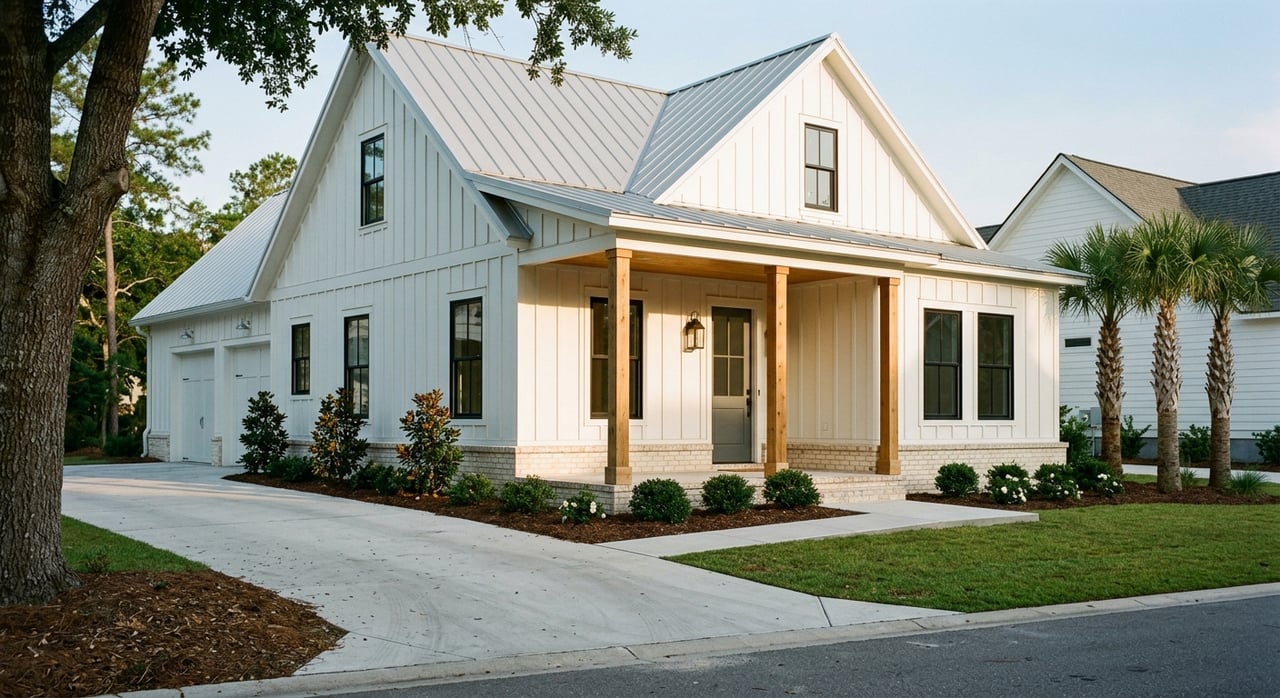
If you are thinking about buying new construction in Pass Christian, it helps to know that “new construction” here does not always mean one big master-planned community. In this coastal market, you may be comparing a move-in-ready spec home, a newer home in an established subdivision, or even a vacant lot where you build from the ground up. The good news is that with the right due diligence, you can make a smart decision that fits both your lifestyle and your long-term goals. Let’s dive in.
Pass Christian new construction at a glance
New construction in Pass Christian is best understood as a mix of newer neighborhood options and smaller coastal infill opportunities. Current listings point to communities like Trinity Park, Magnolia Walk, and the established Timber Ridge, along with individual buildable lots closer to the beach.
That matters because your buying process can look very different depending on the property type. A finished home in a builder community may offer a simpler path to closing, while a lot purchase may require more research on flood rules, utilities, and permitting before you can build.
What buyers are seeing locally
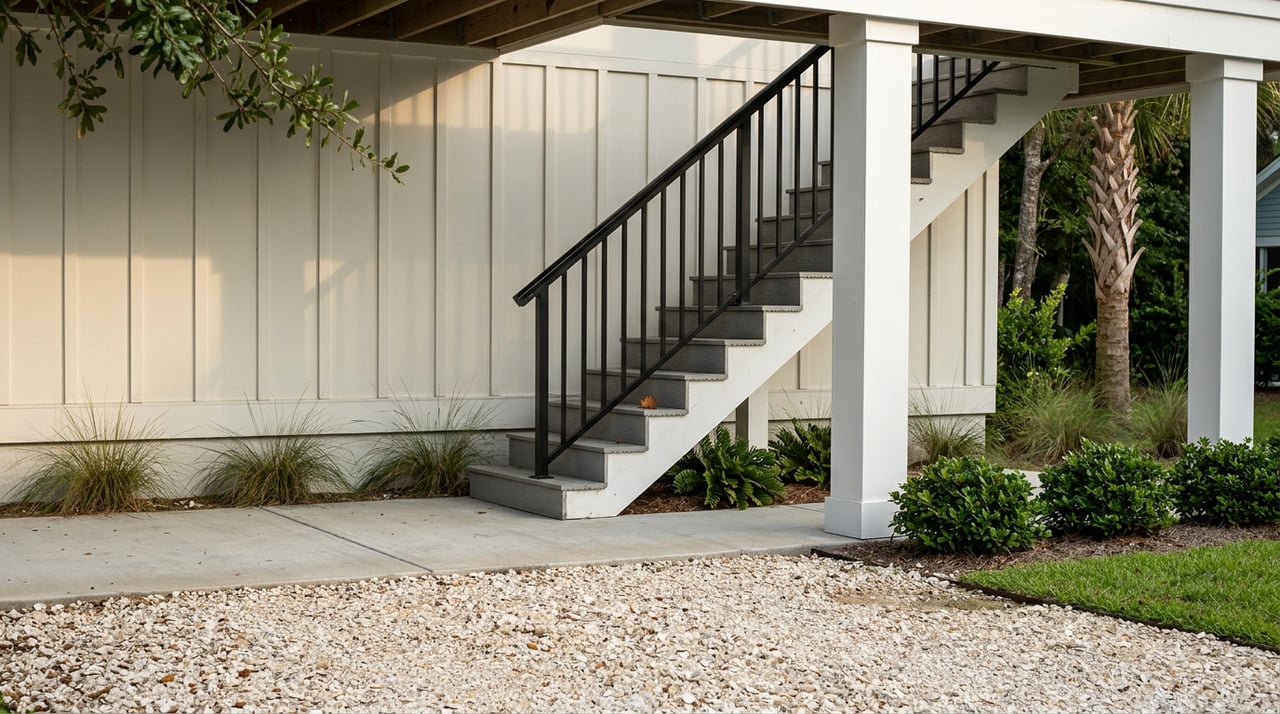
In Trinity Park, listing details highlight elevated or stilt-built coastal homes and mention FORTIFIED Gold certification. In Magnolia Walk, current marketing emphasizes features like smart-home technology, 10-foot ceilings, 8-foot doors, and HOA dues. In Timber Ridge, buyers often look at neighborhood amenities such as a pool, tennis courts, boat launch, clubhouse access, and golf-cart-friendly marketing.
There are also smaller infill lot opportunities near the beach. For example, a Leovy Avenue lot listing notes public utilities as well as flood-zone details, including AE flood zone status, base flood elevation, and a flood insurance requirement.
Why flood rules matter early
In Pass Christian, floodplain compliance is not a last-minute detail. It is one of the first things you need to understand if you are considering a lot purchase, a semi-custom build, or even a newly built home near the water.
The city provides a floodplain information page with links to its ordinance and flood mapping resources. Mississippi’s 2024 floodplain management guidance requires residential new construction to have one foot of freeboard, meaning the lowest floor must be elevated one foot above base flood elevation.
Coastal building requirements can be stricter
In coastal high-hazard V zones, standards can be more specific. The state guidance says new buildings must be landward of the mean high-tide reach, anchored on pilings or columns, and elevated so the lowest supporting horizontal member is at least one foot above base flood elevation.
FEMA guidance referenced through the city also notes that V-zone designs require certification by a registered engineer or architect. If you are buying near the coast, elevation design is not just a construction detail. It can affect insurance, design choices, timeline, and cost.
Check permits and lot status before you commit
One of the smartest things you can do with Pass Christian new construction is verify what is actually approved, available, and buildable before you get too far into the deal. The city has a fairly structured review process, and that is especially important when you are looking at vacant land.
Pass Christian offers forms for building permits, plats, re-subdivision, zone changes, lot clearing, fill dirt, and water/sewer availability. That tells you right away that due diligence should go beyond the listing description.
What the permit packet requires
The city’s building permit packet requires two complete plan sets and supporting documents that can include:
- A site plan with building footprint and lot dimensions
- A survey with ground elevations
- Flood zone and base flood elevation information
- Three elevation certificates
- A deed copy
- A V-zone design certificate when applicable
The packet also identifies separate permits for electrical, plumbing, mechanical, gas, and flood work. If you are buying a lot, it is worth confirming whether these requirements have already been addressed in part, or whether you will be starting from scratch.
Utility availability is a real factor
A lot may look buildable on paper, but utility details can still affect your budget and timeline. The city’s water and sewer availability form asks whether water and sewer are available, whether sewer service is gravity or pressure, and whether a grinder pump station may be required.
That means utility readiness should be part of your early conversations, not something you wait to check after contract. On the Gulf Coast, site prep and utility setup can have a bigger impact than many buyers expect.
Understand how builder contracts usually work
If you have only bought resale homes before, a new-construction contract may feel unfamiliar. The process often includes deposits, staged decisions, progress payments, and change-order paperwork along the way.
The Consumer Financial Protection Bureau advises buyers of homes that are not yet built to use contract contingencies for financing and a satisfactory inspection. CFPB also notes that builders may ask for an upfront deposit or earnest money.
Expect a phased process
A useful reference point is Fannie Mae’s model single-family construction contract. It reflects a process with start and completion dates, written change orders for any scope or price adjustments, progress payments tied to completed and inspected work, and a final holdback until final completion.
In practical terms, that means your transaction may include:
- Design and finish selections
- Allowance decisions
- Written change orders
- Inspection checkpoints
- Final closeout documents
- Warranty information
This is one reason many buyers benefit from calm, detail-focused guidance. New construction can be exciting, but it also comes with more moving parts than a standard resale purchase.
Plan for inspections and punch lists
A brand-new home does not mean you should skip inspections. New homes can still have defects, incomplete items, or installation issues that are easier to address before closing.
The CFPB recommends scheduling a home inspection as soon as possible, attending if you can, and using contract contingencies to give yourself options if the inspection is unsatisfactory. CFPB also recommends a final walk-through before closing.
What to review at the end
Punch-list work is a normal part of construction. In Fannie Mae’s model contract, once work is substantially complete, the owner and contractor inspect the home and create a written punch list if needed before final acceptance.
For Pass Christian buyers, your final review should go beyond cosmetic touch-ups. You may also want to confirm items such as:
- Elevation certificates
- Exterior openings and finishes
- Drainage around the home
- Foundation or piling details, when applicable
- Utility readiness
- Warranty and closeout materials
Choose upgrades with coastal living in mind
The most useful upgrades in Pass Christian are often the ones that support durability, efficiency, and day-to-day comfort on the coast. That does not mean you should ignore style, but it does mean practical features deserve serious attention.
Current listings and builder marketing highlight elevated construction, storm-rated windows, upgraded roof fastening, watertight exterior details, energy efficiency, and smart-home technology. These are the types of features that can help a home function well in a coastal setting and remain appealing when it is time to sell.
Think lifestyle and resale together
Features that fit the local market tend to age better from a resale standpoint. For example, a home with strong storm-resilience features or efficient systems may stand out for reasons beyond appearance.
You should also weigh recurring costs and neighborhood tradeoffs. Amenities can be appealing, but HOA dues, flood-zone exposure, and lot-specific utility requirements can all shape your long-term ownership experience.
A simple checklist before you buy
If you want to stay organized while comparing new construction options in Pass Christian, focus on these core questions:
- Is this a finished spec home, a semi-custom opportunity, or a vacant lot?
- What flood zone is the property in, and what elevation standards apply?
- Are water and sewer available, and is any special equipment required?
- What permits, surveys, or certificates are already in place?
- What does the contract say about deposits, inspections, timelines, and change orders?
- What warranties and final documents will you receive at close?
- Which upgrades improve coastal durability and long-term resale appeal?
Buying new construction in Pass Christian can be a great path if you want modern finishes, newer systems, and a home designed for Gulf Coast living. The key is knowing how to evaluate the lot, the build, and the contract with the same care you would give the floor plan and finishes. If you want a steady local guide as you compare builders, neighborhoods, and coastal lot options, Tracey Ross can help you navigate the details with clarity and confidence.
FAQs
What should you know about flood zones for new construction in Pass Christian?
- Flood-zone rules are a major part of the process in Pass Christian, and residential new construction must meet elevation standards that can affect design, cost, insurance, and permitting.
What permits are needed for new construction in Pass Christian?
- Depending on the project, buyers and builders may need a building permit plus supporting documents and additional permits for electrical, plumbing, mechanical, gas, flood work, and sometimes lot-related approvals.
What should you ask before buying a vacant lot in Pass Christian?
- You should verify flood-zone status, base flood elevation, plat and zoning status, water and sewer availability, site-prep needs, and whether any special utility equipment like a grinder pump station may be required.
What does a new-construction contract usually include in Pass Christian?
- A new-construction contract often includes a deposit, a build timeline, progress payments, written change-order procedures, inspection checkpoints, punch-list steps, and warranty or final closeout documents.
Should you get an inspection on a brand-new home in Pass Christian?
- Yes, an independent inspection and final walk-through can help you identify defects, incomplete work, and punch-list items before closing on a newly built home.
Which new-construction features matter most for Pass Christian resale?
- Features tied to coastal durability and ease of ownership, such as elevated construction, storm-resistant elements, energy efficiency, and practical smart-home features, are often the most useful to prioritize.