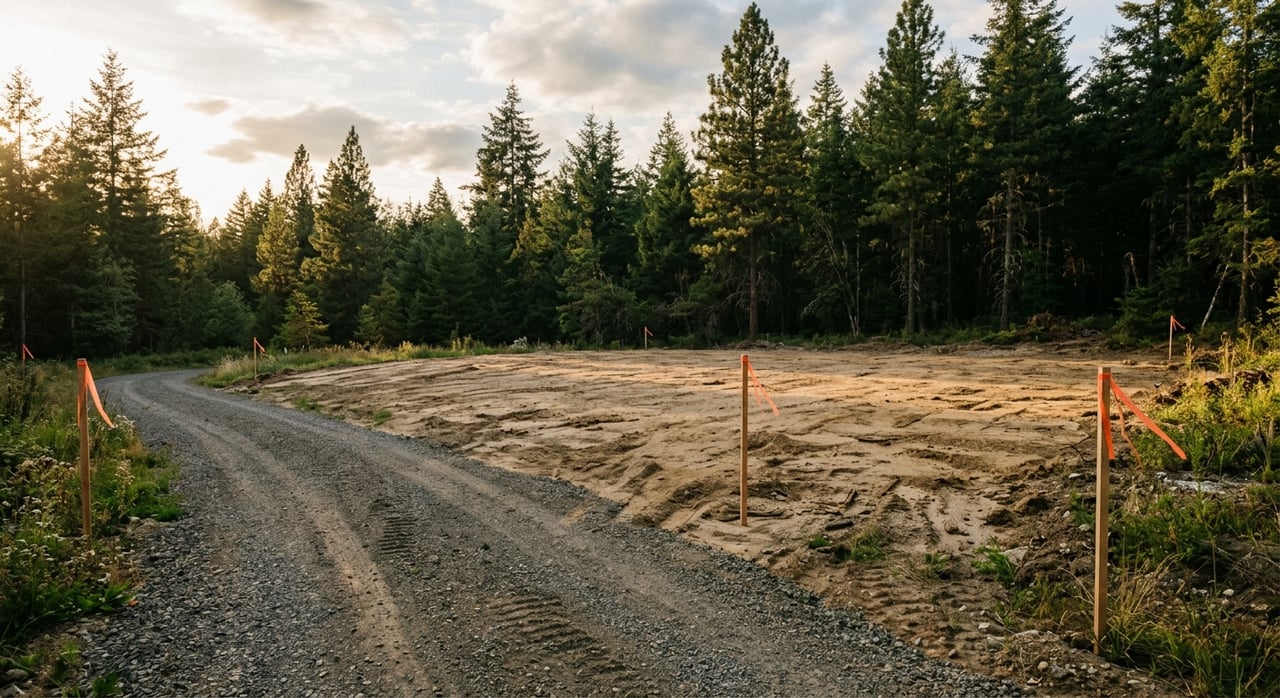
Thinking about buying land in Saucier? It can be an exciting move, but raw land comes with very different questions than buying a finished home. If you want room to build, spread out, or hold property for the future, you need to know what actually makes a parcel usable, legal, and worth the price. This guide will walk you through the big issues to check before you buy so you can move forward with more confidence. Let’s dive in.
Why Saucier Appeals to Land Buyers
Saucier is a rural Harrison County community about 20 miles north of Gulfport. That means many buyers here are not comparing small in-town lots. Instead, you are often looking at larger rural tracts with more flexibility, but also more due diligence.
That rural setting is a big part of the appeal. You may be looking for a homesite, space for hobby agricultural use, recreational land, or a long-term investment. The right parcel depends on how you plan to use it from day one and years down the road.
Start With Your Intended Use
Before you focus on price or acreage, get clear on your goal. Land that works well for one buyer may not work at all for another. A parcel for a future custom home has different requirements than a property you want to use for recreation or agricultural purposes.
In Harrison County, zoning is one of the first filters to check. The county code includes districts such as A-1 General Agricultural District, E-1 Estate District, and other residential districts with different land-use goals and lot standards.
What A-1 and E-1 Mean
For many acreage buyers in Saucier, A-1 and E-1 are especially important. A-1 is tied to agricultural use, with residential use considered incidental to agriculture. E-1 is intended for very low-density residential development with limited hobby agricultural or farm uses.
Minimum lot size matters too. Harrison County’s dimensional table includes examples such as a 15-acre minimum lot area in A-1 and a 3-acre minimum lot area in E-1. Those numbers can shape what you can build, how you divide land, and whether the parcel fits your plans.
Access Can Make or Break a Deal
One of the biggest issues with rural land is simple: can you legally and practically get to it? If a parcel has clear frontage on a public road, that is usually more straightforward. If it does not, you need to look much closer.
Harrison County’s code treats private access as the responsibility of the benefiting owners. If private-access rules apply, permit plans must show easements, utilities, maintenance terms, and emergency access. In other words, a beautiful tract is not enough if access is unclear or incomplete.
Review Easements Early
Recorded easements should be part of every land purchase review. The Harrison County Chancery Clerk records deeds, deeds of trust, plats, covenants, leases, liens, and related real estate instruments. That makes title review a critical early step, not something to leave for the last minute.
You want to confirm the legal description, survey details, and any recorded access rights before you close. If access is shared, private, or narrow, those details matter even more.
Check Flood and Drainage Conditions
In Saucier, drainage and floodplain conditions can affect both cost and buildability. A parcel may look dry on the day you visit and still come with development challenges. This is why flood and drainage review should happen early in your process.
Harrison County requires a Drainage Management Site Plan for new single-family residential developments and for land-disturbing activities greater than one acre. The county also has a stream-corridor overlay covering land within 100 feet of a waterway, with a 15-foot setback, a vegetated buffer, and a septic or sewage prohibition in that buffer.
Use Official Flood Tools
Do not rely only on seller comments or older plat notes for flood questions. The official flood tools include FEMA’s Flood Map Service Center and Mississippi DEQ’s floodmaps portal, which offers the MS-NFHL viewer for effective FEMA flood data.
A flood check can help you understand whether part of the land is restricted, whether your build area may need adjustment, and whether future costs could be higher than expected. This is especially important when the tract includes low areas, creeks, or other waterways.
Septic and Water Need Confirmation
For many rural properties, buildability comes down to wastewater and water service. Septic and water are often the real gatekeepers for whether a homesite works. You should verify both before you get too far into the process.
The Mississippi State Department of Health says buyers should apply before doing anything else because soil and plot-plan review determine septic options. It also states that a permanent sewage disposal solution is required before a permanent water meter can be issued, and some properties may need referral to an engineer if a standard system will not fit.
Water Service in Saucier
Public water infrastructure does exist in parts of Saucier. MSDH lists Saucier Utilities as a public water system, and the Mississippi Public Service Commission regulates water and sewer utilities statewide.
Still, availability can vary by parcel. A nearby line does not always mean an easy or low-cost connection, so it is smart to confirm service details for the exact property you are considering.
Understand Permits and County Review
If you plan to build or improve the land, Harrison County Code Administration is a key stop. This office handles permits, inspectors, floodplain management, and E911 addressing. That makes it one of the most important local resources for turning raw land into a usable homesite.
Some projects may also trigger additional permit steps. For example, if a project needs a new or temporary entrance onto a county-maintained right of way, or affects roadway drainage, Harrison County requires a utility permit before a building permit is issued. Single-family driveway connections are often exempt unless the county engineer requests the permit, but it is still something to verify early.
Financing Land in Saucier
Land financing is often different from financing a resale home. If you are buying acreage tied to a future build, you may need more planning up front. That is because zoning, access, drainage, wastewater, and financing often have to line up before construction can begin.
A preapproval can still be helpful because it shows a seller that financing is likely to work and may expose problems early. But it is important to remember that a preapproval letter is not a guaranteed loan offer.
Why Build Plans Matter
Some loan options for future construction are designed to include more than just the land itself. The USDA Single-Family Housing Guaranteed construction-to-permanent loan can include the lot purchase, construction and administrative costs, contingency reserves, inspection fees, and landscaping. USDA Farm Service Agency farm ownership loans can also finance land purchases for farm ownership and expansion.
Because land deals can be more complex, many buyers benefit from keeping contingencies in place. Financing and satisfactory inspection contingencies can be especially important when the property is raw or only partially improved.
Budget for More Than the Purchase Price
The purchase price is only one part of the cost of buying acreage. Rural land often comes with follow-up expenses tied to surveys, septic review, access improvements, driveway work, drainage planning, and utility connections.
You should also think about annual carrying costs. Harrison County is divided into more than 30 taxing districts, so property taxes can vary by exact location, even within the same community.
A Practical Saucier Land Checklist
Before closing on land in Saucier, it helps to work through a clear checklist. This keeps you focused on the issues that most often delay or derail acreage deals.
- Verify title and recorded easements
- Confirm legal and practical access
- Review the survey and legal description
- Check official flood maps
- Ask Code Administration whether permit or flood review is needed
- Determine whether septic work will be required
- Confirm water availability for the specific parcel
- Review potential drainage or stream-corridor restrictions
- Estimate tax district carrying costs
What the Timeline Often Looks Like
Many buyers assume the contract is the hard part. In reality, the bigger delays are often tied to proving that the parcel is buildable, serviceable, and legally accessible.
MSDH says a complete wastewater application usually gets a site visit in about 5 to 10 business days. It also notes a lower-cost exemption path for a first single-family residence on 2 or more acres or a second residence on 5 or more acres.
That does not mean every property moves quickly. If access is unclear, engineering is needed, or drainage and permit questions come up, your timeline can stretch. This is one reason it helps to approach land purchases with a calm, organized plan.
Why Local Guidance Helps
Buying land in Saucier is not just about finding acreage that looks good online. You need to know how the parcel fits county rules, whether access is truly usable, and what it may take to get from raw land to a finished homesite.
That kind of process benefits from steady local guidance and careful coordination. When you ask the right questions early, you can avoid expensive surprises later and make a better decision about whether a parcel truly fits your goals.
If you are considering land or acreage in Saucier, working with a local advisor can help you sort through zoning, access, timelines, and the moving parts that matter before you commit. When you are ready to take the next step, connect with Tracey Ross for calm, hands-on guidance across the Mississippi Gulf Coast.
FAQs
What should you check before buying land in Saucier?
- You should review zoning, access, title records, easements, survey details, flood maps, septic feasibility, water availability, and any county permit requirements before closing.
How does zoning affect land in Saucier?
- Harrison County zoning affects how land can be used and may set minimum lot sizes, including examples such as 15 acres in A-1 and 3 acres in E-1.
Why is access important when buying acreage in Saucier?
- If the parcel does not have straightforward public road frontage, you may need to confirm recorded easements and meet county private-access requirements covering utilities, maintenance terms, and emergency access.
Do you need a septic review for land in Saucier?
- In many cases, yes. MSDH says buyers should apply early because soil and plot-plan review determine septic options, and a permanent sewage solution is required before a permanent water meter can be issued.
How do you check flood risk for land in Saucier?
- You should use official flood tools, including FEMA’s Flood Map Service Center and Mississippi DEQ’s floodmaps portal, instead of relying only on seller comments or old plat notes.
What office helps with building questions for land in Harrison County?
- Harrison County Code Administration handles permits, inspectors, floodplain management, and E911 addressing, so it is a key office to contact when you plan to build or improve land.