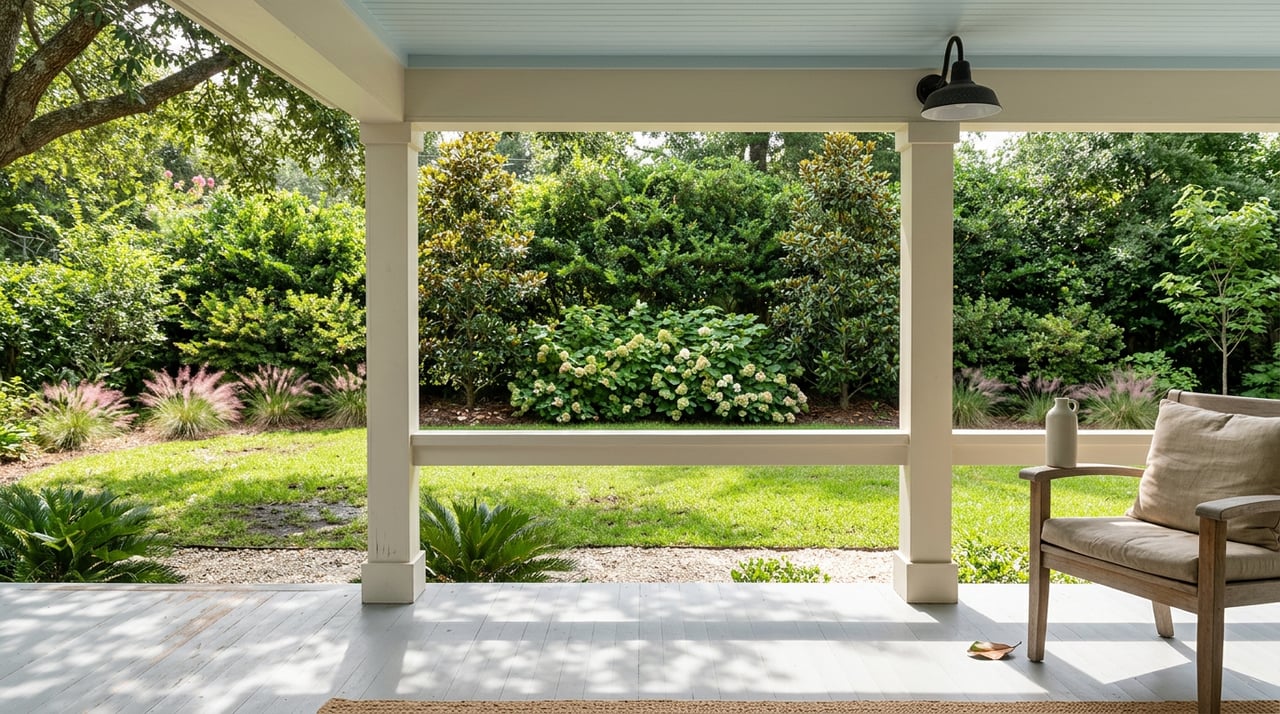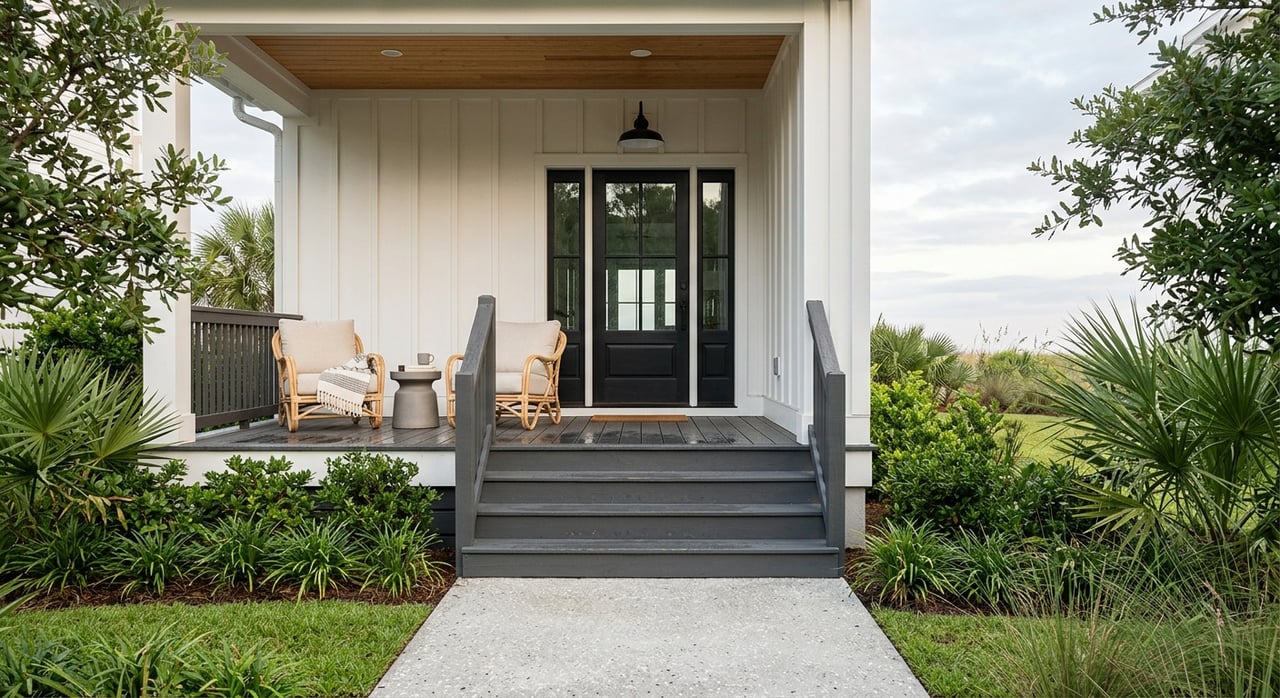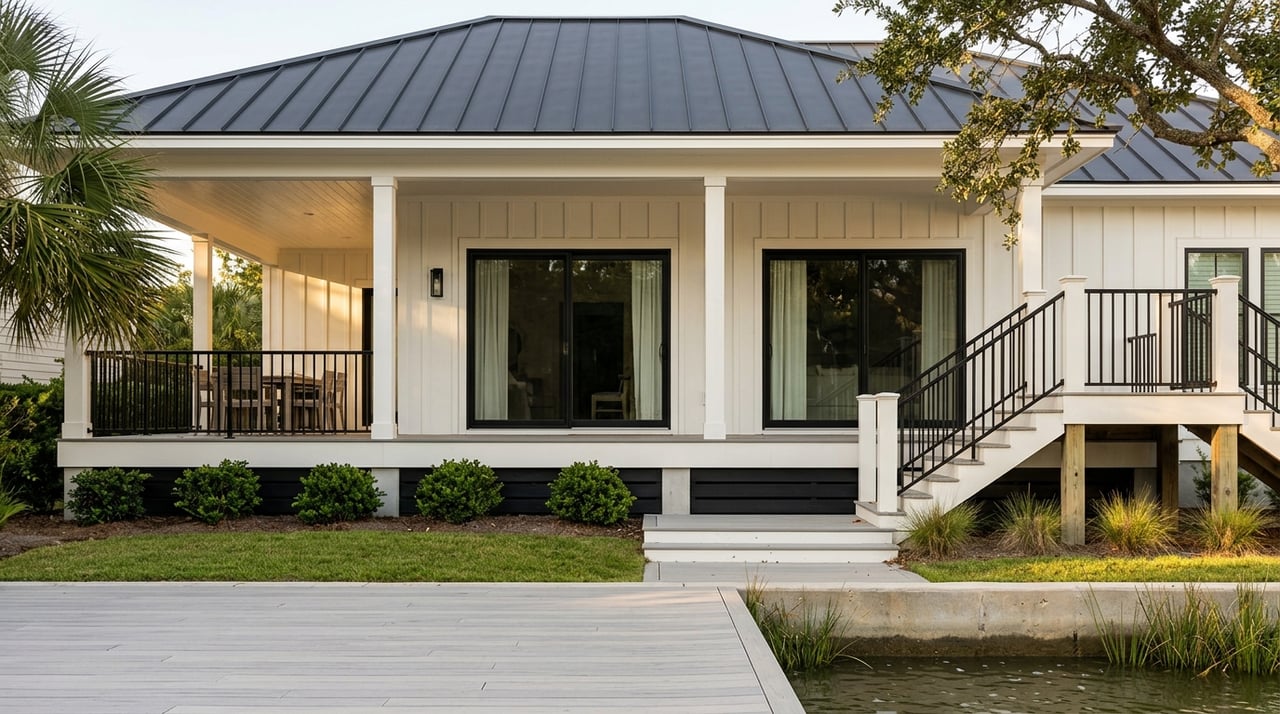
If you have ever fallen for a waterfront home in Biloxi, you already know the appeal is immediate. The view, the breeze, and the access to the water can make a property feel like the right fit in seconds, but buying along the coast also comes with extra layers you need to understand. This guide walks you through the process step by step so you can move forward with more clarity, fewer surprises, and a stronger plan. Let’s dive in.
Why Biloxi waterfront buying is different
A waterfront home in Biloxi follows the same broad path as any other home purchase, but your due diligence needs to go further. In this market, you also need to account for flood risk, wind risk, shoreline condition, and whether any water-related improvements were properly permitted.
Biloxi’s Community Development department includes floodplain management functions, and the city provides a Digital Flood Insurance Rate Map tool. Harrison County is also within the Mississippi Coastal Zone, where wetlands permitting is handled through the Mississippi Department of Marine Resources for relevant waterfront and shoreline work.
That local structure matters when you are comparing homes. It affects how you research flood zones, how you estimate insurance, and how you confirm whether past or future dock, pier, bulkhead, or shoreline work may need review or approval.
Step 1: Set your true budget early
Before you start touring homes, get clear on your financing and monthly comfort zone. That means checking your credit, gathering mortgage paperwork, and getting preapproved so you know your purchase range.
For a Biloxi waterfront home, your budget should include more than principal and interest. You also want to estimate property taxes, homeowners insurance, flood insurance if needed, and any HOA or condo dues.
On the Mississippi Gulf Coast, ask early about windstorm and hail coverage too. The Mississippi Insurance Department says standard homeowners policies usually cover windstorm damage unless it is excluded, and if it is excluded, coverage may be available through the Mississippi Windstorm Underwriting Association for Harrison County.
Step 2: Define what “waterfront” means to you
Not every waterfront property gives you the same experience. In Biloxi, a home may be Gulf-facing, bayfront, canal-front, or marsh-front, and each option can come with different maintenance needs, views, and access.
You should also confirm exactly what is included with the property. A listing may offer a private dock, shared dock, boat lift, bulkhead, or simply a water view without direct access.
This step matters because the details affect both value and future costs. Mississippi State University Extension notes that shoreline slope, bulkhead condition, nearby bulkheads, and boat traffic can all affect shoreline design and repair costs.
Step 3: Check flood zone and map details
Before you write an offer, verify the property’s exact flood zone. FEMA identifies the official flood hazard information through its flood map tools, and Biloxi also offers local map resources that can help you review a specific address.
Pay close attention to whether the home is in a Special Flood Hazard Area. If you are using a mortgage and the home falls in that area, flood insurance is usually required.
It is also smart to ask whether the property may benefit from community-level flood mitigation credits. Biloxi has floodplain management and CRS functions, and FEMA notes that property owners in CRS communities may qualify for flood insurance premium discounts.
Step 4: Ask the right history questions
A waterfront showing should include more than a walk-through and a view of the backyard. You should ask the seller about prior flood damage, hurricane damage, insurance claims, and whether the property received federal disaster assistance.
These questions help you better understand the home’s risk profile and repair history. They can also help you avoid relying on assumptions based on appearance alone.
One important detail is insurance pricing. A seller’s current flood insurance premium may be lower than what you would pay as a new owner, so do not use the seller’s policy cost as your direct estimate.
Step 5: Review shoreline and water-access features
If the property includes any kind of shoreline improvement or water-access structure, slow down and verify the details. That may include docks, piers, boat lifts, bulkheads, seawalls, dredging, or shoreline stabilization work.
Because Harrison County sits inside the Mississippi Coastal Zone, waterfront permitting questions are local and important. The Mississippi Department of Marine Resources handles wetlands permitting in this area and is the point of contact for tidal or tidally influenced wetlands work.
You should ask whether any existing improvements were properly permitted and whether future work may need approval. This is one of the easiest places for waterfront buyers to miss a costly issue if they move too fast.
Step 6: Tour with an inspection checklist
When you tour a Biloxi waterfront property, bring a checklist that goes beyond finishes and layout. You are not just evaluating the kitchen or floor plan. You are also looking at risk, maintenance, and insurability.
Useful questions include:
- Is there an elevation certificate?
- Is the home in an A zone or V zone?
- Does the bulkhead or seawall show signs of repair needs?
- Are there unresolved permit issues tied to the property?
- Is the waterfront access private, shared, or view-only?
An elevation certificate may help lower flood insurance cost. It is also worth noting that FEMA does not permit floodproofing of residential buildings in coastal high-hazard V zones, which makes it even more important to understand the home’s exact classification.
Step 7: Write an offer with strong contingencies
Once you find the right property, make sure your offer gives you room to verify the important details. Financing and satisfactory-inspection contingencies are especially important in a waterfront purchase.
During your contingency period, you can confirm insurance quotes, permit history, shoreline obligations, and any HOA or condo documents. This is your window to make sure the home works not only for your lifestyle, but also for your long-term budget.
It also helps to remember that an appraisal and an inspection are not the same. The lender’s appraisal supports the loan, while the inspection helps you understand the property’s condition.
Step 8: Verify insurance before closing
Insurance needs to be fully reviewed before you get to the closing table. In coastal Mississippi, that means looking closely at homeowners coverage, flood coverage, and whether windstorm protection is included or excluded.
The Mississippi Insurance Department recommends confirming whether a policy pays replacement cost or actual cash value, whether it includes additional living expenses, and whether the deductible is a percentage deductible. On the Gulf Coast, some wind and hurricane deductibles can be as high as 2% of the dwelling value, so this line deserves careful attention.
If you are buying a condo, ask what the association’s master policy covers and what remains your responsibility as the unit owner. That split can affect both your monthly costs and your coverage gaps.
You should also line up flood coverage early. Flood coverage through the National Flood Insurance Program normally takes effect 30 days after purchase, though some loan-closing or renewal situations may waive that waiting period.
Step 9: Confirm taxes and homestead timing
Before closing, make sure your tax estimate is tied to the actual parcel and taxing district. Harrison County has multiple taxing districts, so you should not assume the final tax bill based on city name alone.
If the home will be your primary residence, Mississippi homestead exemption may reduce your property taxes. The filing window runs from January 1 through April 1, and ownership must be established before January 1 with the deed filed with the Chancery Clerk before January 7.
Mississippi states that the regular homestead exemption can provide up to $300 in tax credit, with separate age or disability tiers that may exempt the first $7,500 of assessed value. This is a small step that can make a meaningful difference in your annual ownership cost.
A simple Biloxi waterfront roadmap
If you want the short version, the safest sequence is simple. Get preapproved, verify flood and wind costs, inspect shoreline and water-access features, make a contingent offer, and close only after insurance and tax details are confirmed.
That order helps you avoid some of the most common coastal surprises. In Biloxi, those surprises often show up in flood maps, hurricane deductibles, permit history, and maintenance responsibilities tied to the shoreline.
A waterfront purchase can be a great move when you go in with a clear plan. The key is balancing the lifestyle appeal with careful local due diligence so you know exactly what you are buying.
If you are thinking about buying on the Mississippi Gulf Coast, working with a local advisor can make the process feel much more manageable. For calm, hands-on guidance as you compare properties, review details, and move toward closing, connect with Tracey Ross.
FAQs
What makes buying a waterfront home in Biloxi different from buying another home?
- Waterfront homes in Biloxi require the usual homebuying steps plus extra review of flood risk, wind coverage, shoreline condition, and permit history for docks, bulkheads, or other coastal improvements.
What flood insurance questions should you ask when buying a Biloxi waterfront home?
- You should ask whether the home is in a Special Flood Hazard Area, whether there is an elevation certificate, and whether the address may benefit from community flood mitigation credits that could affect premiums.
What should you verify about docks and bulkheads on a Biloxi waterfront property?
- You should confirm what is included with the sale, ask about the condition of the dock or bulkhead, and verify whether any shoreline or wetlands-related work was properly permitted through the appropriate local coastal process.
What insurance details matter most for a waterfront home in Harrison County?
- You should review homeowners coverage, flood insurance needs, whether windstorm is covered or excluded, whether the policy pays replacement cost or actual cash value, and how large the hurricane deductible may be.
What should condo buyers check when buying a waterfront property in Biloxi?
- Condo buyers should confirm what the association master policy covers, what the unit owner must insure separately, and whether HOA documents create added maintenance or insurance responsibilities.
When should you file for homestead exemption after buying a home in Harrison County?
- If the home is your primary residence, Mississippi says homestead exemption must be filed with the county Tax Assessor between January 1 and April 1, with ownership established before January 1 and the deed filed before January 7.